


It’s a warm day, your house is starting to feel stuffy, and then your air conditioner kicks on. The lights dip for a second before returning to normal. While common, this can leave you wondering if it’s harmless or a sign of an electrical problem.
A brief, minor dimming of the lights is often normal, but significant or prolonged flickering can indicate an electrical problem. This guide will explain what’s happening, when it’s cause for concern, and when it’s time to call a professional.
The Science Behind the Flicker: Understanding Inrush Current
Your AC system is one of the biggest electrical consumers in your home, and its compressor motor requires a large amount of energy to start. This initial surge is an “inrush current.”
Think of it like starting a car. The engine needs a jolt from the battery to overcome inertia. Similarly, your AC’s compressor needs a large burst of electricity for a split second to get running. This sudden demand causes a momentary voltage drop, making your lights dim or flicker.
When Is a Little Flicker Normal?
A brief flicker is usually nothing to worry about. If the lights dim for a second as the AC compressor engages and then immediately return to full brightness, your electrical system is likely responding normally to the inrush current. This is particularly common in older homes with electrical systems that weren’t designed for today’s electrical demands.
You might notice this effect more with older incandescent bulbs, which are more sensitive to voltage fluctuations than modern LEDs. If the flicker is minimal and only happens when the AC turns on, it’s normal.
Warning Signs: When Flickering Lights Signal a Problem
Flickering becomes a concern when it goes beyond a minor dip. Certain signs suggest an electrical problem that needs attention.
The Flickering Is Intense or Lasts Too Long
If your lights dim significantly, flicker multiple times, or stay dim for more than a couple of seconds, it’s a red flag. Your electrical system may be struggling to provide the power your AC needs, potentially damaging appliances and electrical components over time.
Circuit Breakers Are Tripping
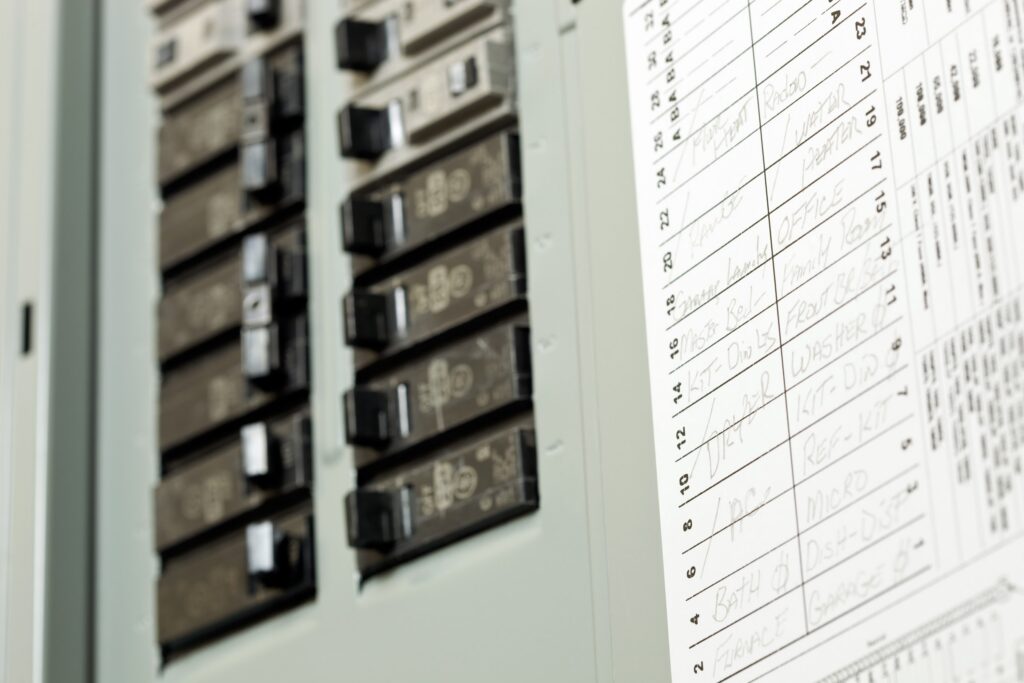
Does the circuit breaker for your AC or another part of the house trip when the air conditioner turns on? This is a clear sign you’re overloading the circuit. The breaker shuts off power to prevent overheating and fire, indicating a capacity issue.
You Notice Other Electrical Issues
Flickering lights are often just one symptom of a larger problem. Be on the lookout for other warning signs that point to an unsafe electrical system, such as:
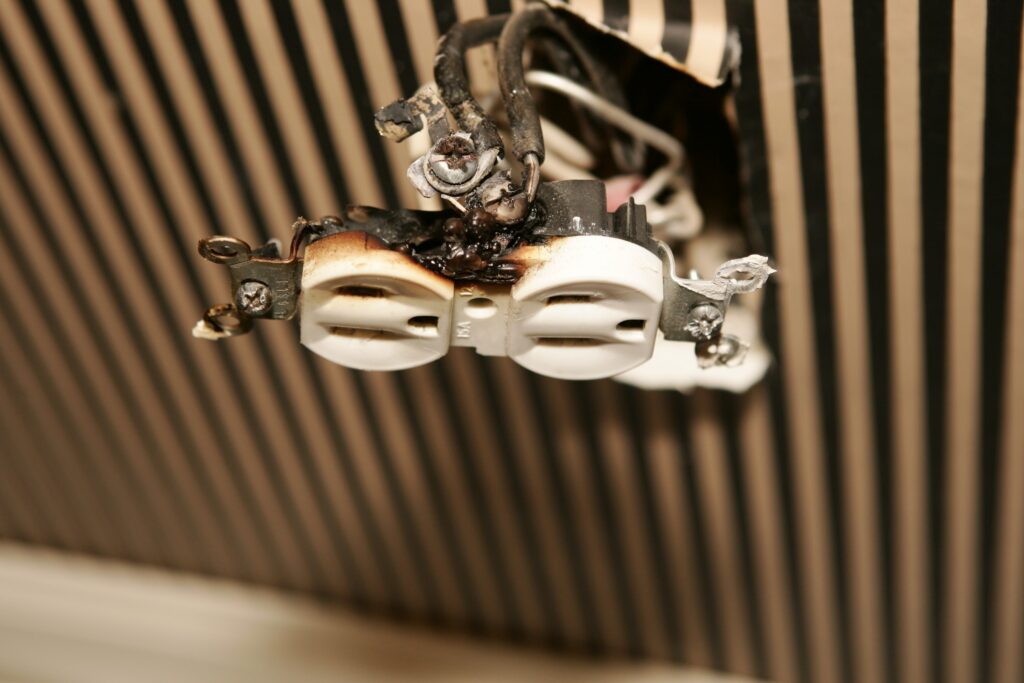
- Burning smell from outlets or panel
- Buzzing or humming from the breaker box
- Warm outlets or switch plates
- Flickering not related to the AC
- Discolored or scorched outlets
Common Electrical Causes of Excessive Flickering
If you’re experiencing more than just a minor flicker, one of several underlying issues could be the cause. These problems range in severity, but all require a professional diagnosis from a qualified electrician.
An Overloaded Circuit or Electrical Panel
Your home’s electrical panel has a finite capacity. If your AC shares a circuit with other appliances or the panel is too old or small to handle your home’s electrical demand, you can easily overload it. We often see this in homes where new, power-hungry appliances have been added over the years. A professional can assess your system and determine if you need dedicated circuits or electrical panel services to safely meet your needs.
Loose or Deteriorated Wiring
Over time, electrical connections can loosen, and wiring can corrode. A loose connection creates resistance, causing voltage drops and flickering lights. This is a significant fire hazard. An electrician needs to inspect the wiring at the panel, outlets, and the AC unit itself to confirm all connections are secure.
An Aging or Failing AC Compressor
As an air conditioner ages, its components can wear out. A failing compressor motor may draw more current than designed, putting extra strain on your electrical system and making the flickering more obvious. If the problem is with the AC unit itself, our expert technicians can diagnose and repair it.
Issues with Your Lighting
In some cases, the problem may not be with the main electrical system but with the light fixtures themselves. Old or faulty wiring within a light fixture or a particular circuit can make it more susceptible to flickering when there’s a voltage drop.
Your Trusted Partner for AC and Electrical Safety
While a minor flicker when the AC starts is often harmless, never ignore persistent or severe flickering. These warning signs can indicate serious electrical hazards. Attempting to diagnose or fix electrical issues yourself is dangerous.
At CMi A/C & Electrical, our team has the expertise to handle both your air conditioning and electrical repair needs. We can accurately diagnose the root cause of flickering lights, whether it’s an overloaded panel, faulty wiring, or an issue with your AC unit. Your safety is our top priority.
If you have flickering lights in your home, contact CMi A/C & Electrical today to schedule a professional electrical inspection.