

Electrical safety is a top priority, and GFCI outlets are a critical part of a safe electrical system. They help protect your family from electrical shocks, especially where electricity and water might mix. Common locations for these outlets include bathrooms, kitchens, laundry rooms, and outdoor spaces where moisture can increase electrical hazards.
Understanding where GFCI protection is required is the first step toward ensuring your home meets applicable safety standards. This guide will walk you through the essential locations for GFCI outlets and explain why they are so important for your family’s well-being.
What Is a GFCI Outlet and How Does It Work?
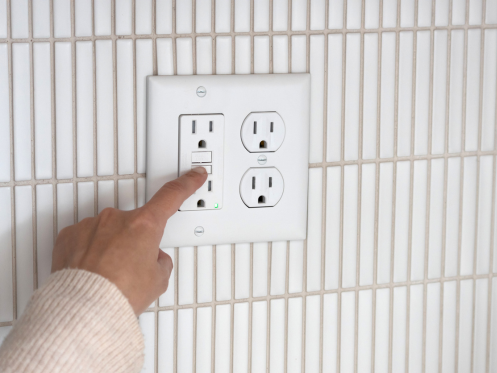
A GFCI, or ground-fault circuit interrupter, is a fast-acting safety device designed to reduce the risk of serious electrical shock. It works by constantly monitoring the current in a circuit. If it detects a small imbalance, which may indicate electricity is flowing through an unintended path, it quickly interrupts power. This rapid response helps protect people from potentially dangerous electrical shocks.
You can identify a GFCI outlet by the “TEST” and “RESET” buttons located on its face. These buttons allow you to test the outlet’s functionality to ensure it’s working correctly.
Where Are GFCI Outlets Required in Your Home?
The National Electrical Code (NEC) establishes safety standards, including where GFCI protection is required. States and local jurisdictions adopt specific editions of the NEC, sometimes with amendments. In Palm Beach County, applicable Florida electrical codes determine the requirements for new installations and electrical upgrades. Existing homes may have older outlets that were installed under previous standards.
Bathrooms
Every outlet in a bathroom must have GFCI protection under current electrical codes. The combination of water from sinks, showers, and tubs with electrical devices like hair dryers creates a significant risk. GFCI protection is an essential safety feature in this environment.
Kitchens
In the kitchen, outlets serving countertop surfaces must be GFCI-protected. This also applies to applicable receptacles within 6 feet of a sink. Modern electrical codes also require GFCI protection for certain appliances, including dishwashers.
Laundry Rooms
Laundry rooms are another area where water and electricity are in close proximity. Modern electrical codes require GFCI protection for receptacles in laundry areas, including those serving washing machines and electric dryers. If your home has older outlets without GFCI protection, a licensed electrician can determine which upgrades are appropriate.
Garages and Basements
Garages and basements can present electrical hazards due to moisture and the use of power tools or other equipment. The NEC generally requires GFCI protection for receptacles in garages and both finished and unfinished basements to help reduce the risk of electrical shock.
Outdoor Outlets and Patios
In South Florida, our rainy season and high humidity make outdoor electrical safety crucial. Outdoor receptacles generally require GFCI protection. These outlets should also be rated “weather-resistant” and installed with appropriate weatherproof covers to withstand the elements.
Other Areas Near Water
The need for GFCI protection extends to several other areas. This includes receptacles in crawl spaces, near wet bars, and within certain distances of swimming pools or spas. Specific requirements depend on the location and type of installation, so a licensed electrician can help ensure your home meets applicable electrical codes.
Do All Outlets Need to Be GFCI Outlets?
No, not every outlet in your home needs to be a GFCI receptacle. The key is providing GFCI protection where required. This can be achieved in a couple of ways.
A single GFCI outlet can protect other standard outlets downstream when wired correctly. You can also have a GFCI circuit breaker installed in your main electrical panel to protect the entire circuit.
How Do You Know If Your GFCI Outlet Needs Replacing?
GFCI outlets can wear out, so you should test them monthly using the “TEST” button. If an outlet fails to trip when tested or won’t reset, it is time for a replacement.
Other warning signs include visible damage like cracks or scorch marks, or if the outlet trips repeatedly with normal use. If a GFCI keeps tripping, have a licensed electrician investigate rather than bypassing the protection.
Should You Hire an Electrician to Install GFCI Outlets?
Absolutely! An outlet installation is a job for a professional. A licensed electrician will ensure outlets are installed correctly, wired safely, and compliant with applicable local codes. This is particularly important in older homes with outdated wiring. Professional installation helps ensure your GFCI protection functions correctly when you need it most.
Schedule Professional GFCI Outlet Installation With CMi A/C & Electrical
Keeping your home and family safe from electrical hazards is our top priority. Properly installed GFCI outlets are essential, particularly in the moisture-prone areas of your Palm Beach County home. Since 1992, the licensed electricians at CMi A/C & Electrical have helped homeowners in South Florida with their electrical needs, from safety inspections to outlet upgrades. If you’re unsure whether your home is adequately protected, our team can provide a thorough evaluation.
For professional GFCI outlet installation in Palm Beach County, contact CMi A/C & Electrical today to schedule your service.