
Upgrading your commercial HVAC system in Lake Park requires a critical balancing act. Getting a professional repair is often the cost-effective way to go when your system is malfunctioning or not performing as well as it used to. However, a replacement may be the better option if your system is over 10 years old or if it remains inefficient regardless of routine maintenance. Before you make a decision, make sure to consult a licensed technician for expert advice. That said, here’s what you generally need to know.
When to Repair
Whenever your commercial HVAC system has a problem, your primary default should be to repair it. These systems are robust and, with proactive maintenance, can last longer than their expected lifespan. So, consider professional repair services in the following circumstances.
Isolated Problems
Your commercial HVAC is a system, which means different parts work together to do one job: condition your air. The challenge with any system is that when one part begins to fail, the strain rarely stays contained. A damaged duct, for example, forces fans, blowers, and even the air handler to work harder to compensate for lost airflow. That extra effort accelerates wear, increases energy use, and can trigger new issues in parts that were otherwise healthy.
However, if the problem is isolated and has not affected other parts of the system, repair is usually the right move. A single worn belt, a faulty capacitor, a loose connection, or a small refrigerant leak can often be corrected without disrupting the rest of the equipment.
Early Lifecycle
Commercial HVAC equipment is designed for longevity. With routine maintenance and timely repairs, many systems operate reliably for 15 to 20 years. Replacing a system that still has significant life left is rarely a sound financial decision. When the equipment is still within the early stages of its lifecycle, and its overall performance remains strong, repair almost always delivers better value.
Repair is even more compelling when your equipment is still under warranty. A warranty-backed repair ensures the work meets manufacturer standards, which preserve long-term reliability.
Strong Performance History
A system that has been consistently maintained and has a track record of steady performance is usually a good candidate for repair. When the equipment has no history of chronic breakdowns, erratic temperature control, or rising energy consumption, a single issue is often just that: a single issue. Restoring a well‑cared‑for system to full operation is typically straightforward, and the return on investment is far better than a complete replacement.
When to Replace
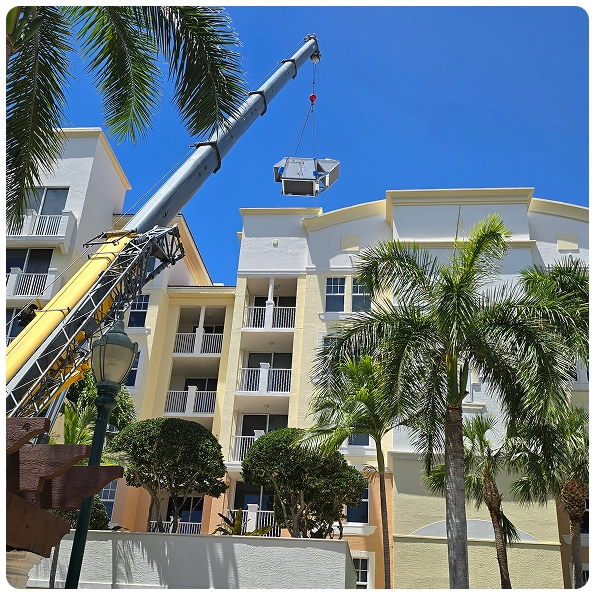
Upgrading to a new, modern commercial HVAC system means healthier indoor air quality, reduced utility costs, improved comfort, and generally a better working environment. Choose replacement over repairs under the following circumstances.
Safety Issues
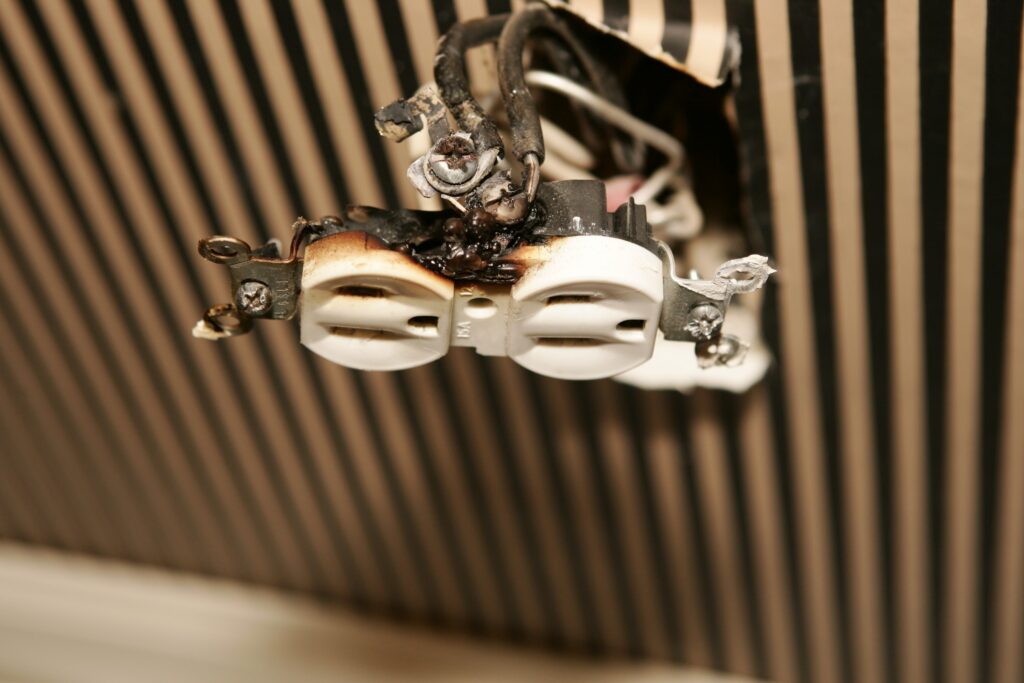
If your system has issues such as a cracked heat exchanger, failing electrical components, or refrigerant leaks, replacement should move to the top of your list. Safety‑related failures are rarely isolated, and they often signal deeper structural problems within the equipment. A cracked heat exchanger, for example, can allow combustion gases to enter the air supply, creating a serious health risk for occupants. Electrical failures can lead to overheating or fire hazards, and refrigerant leaks can compromise both air quality and system performance.
When safety is in question, repairing individual components may only delay the inevitable. A full replacement eliminates the underlying risks, restores reliability, and ensures your building meets current safety and ventilation standards.
Old Age
It is true that commercial HVAC systems are robust and can last longer than many other building systems. However, once most units pass the 10‑year mark, their efficiency and reliability begin to decline. Even with good maintenance, older equipment often struggles to keep up with modern comfort expectations and current efficiency standards.
Changes in the Building
During commercial HVAC installation, technicians perform what is known as a load calculation. They evaluate every detail of a property to determine the correct system capacity that can serve it reliably and efficiently. This assessment includes the layout of the building, its total size, insulation levels, the surrounding outdoor environment, and the number of people who occupy the space on a typical day. The goal is to match the equipment to the building’s actual heating and cooling demands so the system can operate without strain.
When the building changes, the original load calculation no longer reflects reality. Renovations, expansions, new interior layouts, added rooms, or even changes in how the space is used can all increase or decrease the heating and cooling load. A system that was once perfectly sized may now be too small to keep up or too large to run efficiently. In this instance, commercial HVAC replacement would be the only solution.
Contact CMi Air Conditioning & Electrical for More Information
Trust CMi Air Conditioning & Electrical’s 30+ years of commercial HVAC experience to guide your repair or replacement choice. We have completed over 8,500 projects, holding an A+ rating for our work on the Better Business Bureau. If you need repairs, we offer 24/7 emergency service to restore comfort and efficiency as soon as possible. If replacement is the better long‑term choice, we offer high‑quality products along with flexible financing options on approved credit.
Contact CMi Air Conditioning & Electrical today for reliable commercial HVAC services in Lake Park.